UR6521004 - Bachelor of Mechanical Engineering Technology (Product Design) with Honours
Overview
Bachelor of Mechanical Engineering Technology (Product Design) with Honours (UR6521004)
The modern world is driven by continuous innovation, smart materials, and user-centric aesthetics. Every groundbreaking product, from smart home appliances to next-generation medical devices begins with a visionary design.
Are you ready to bring the ideas of tomorrow to life?
Our program is meticulously crafted to transform you into a highly skilled mechanical engineering technologist. You will master the entire product lifecycle, bridging the gap between creative conceptualization, mechanical functionality, and advanced manufacturing.
Why Join Our Product Design Ecosystem?
- Industry 4.0 Focused: Gain deep insights into the fusion of mechanical engineering and smart technology, learning how the Internet of Things (IoT) and sustainable practices are shaping the future of consumer and industrial products.
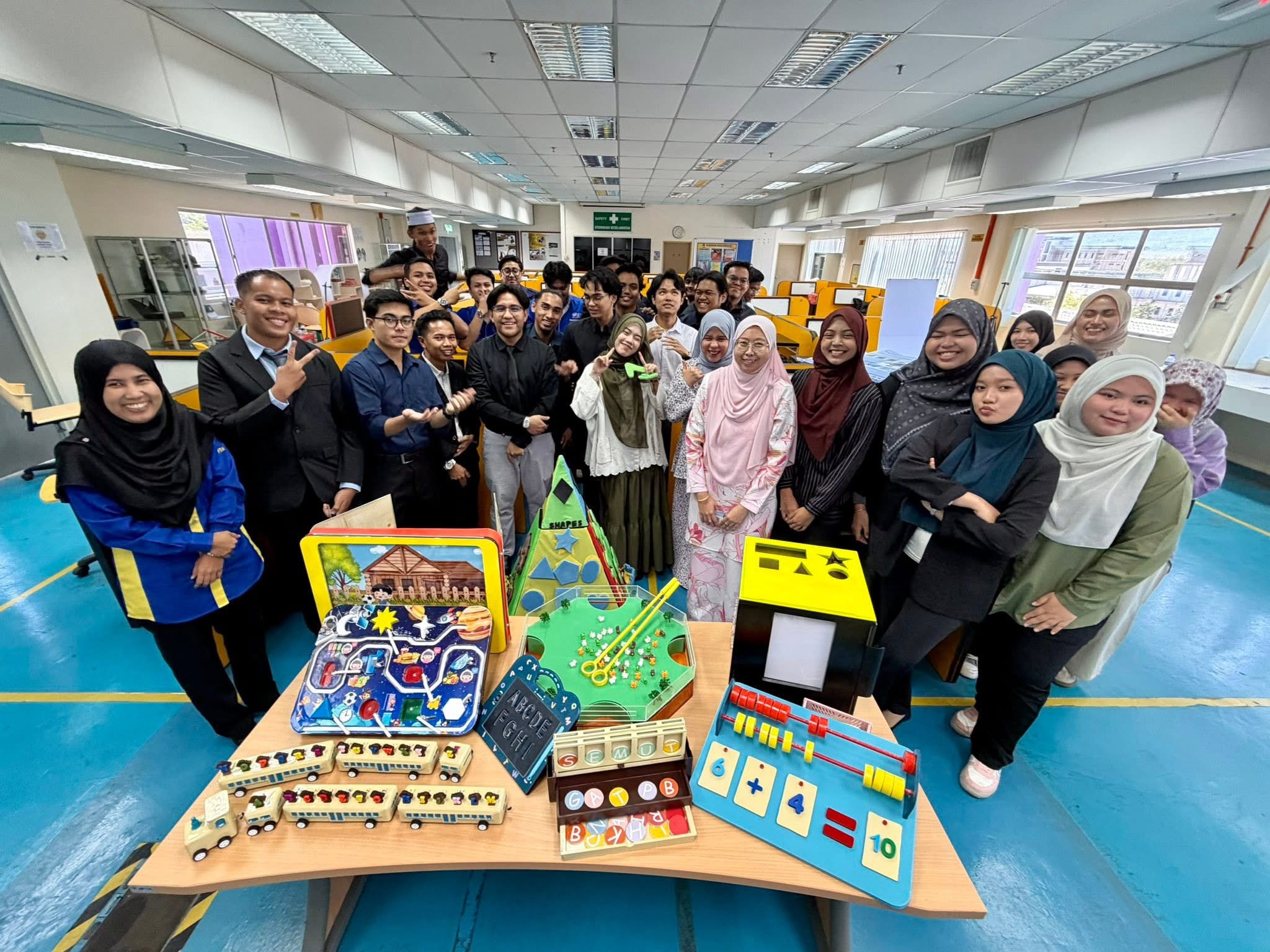
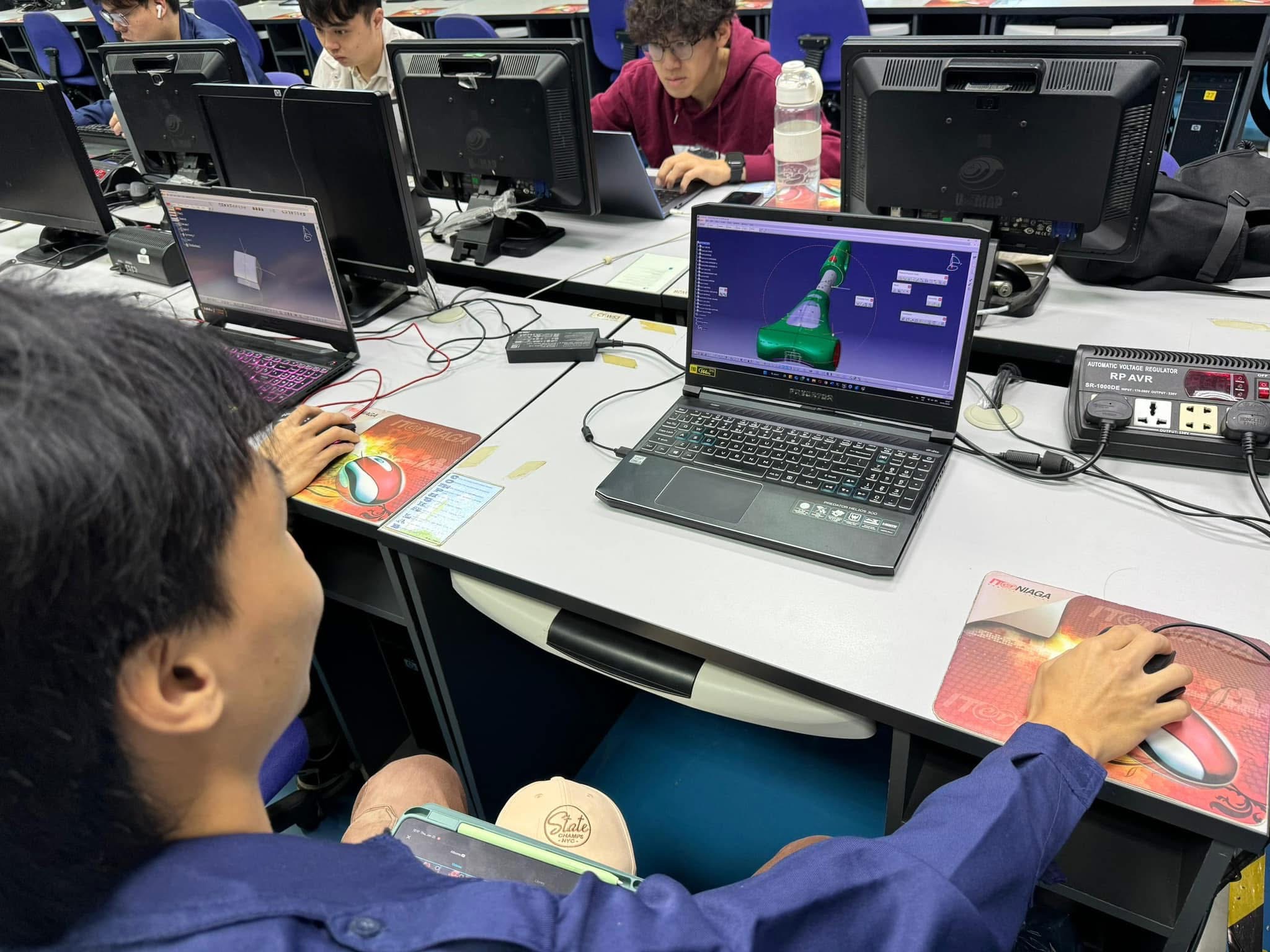
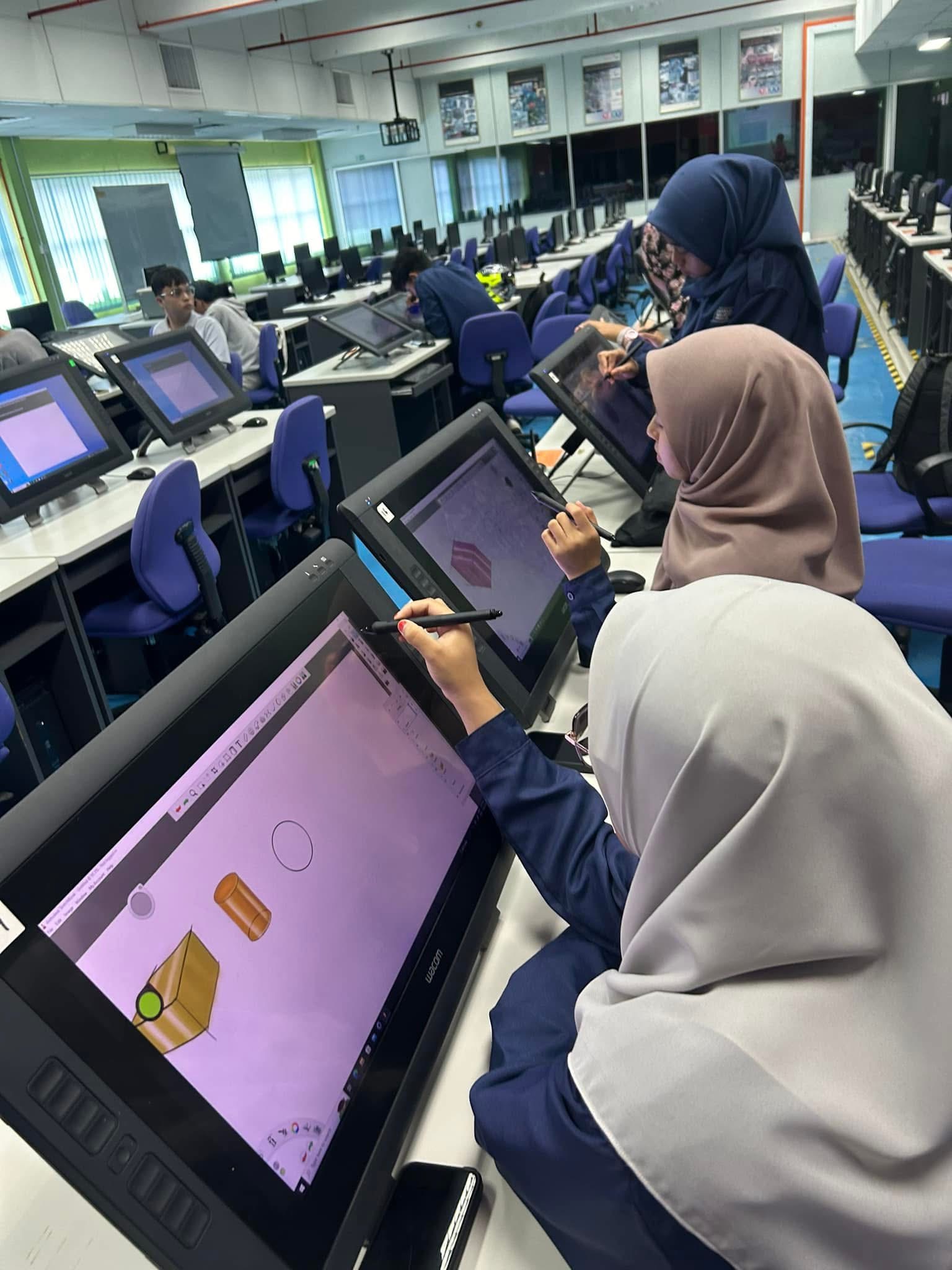
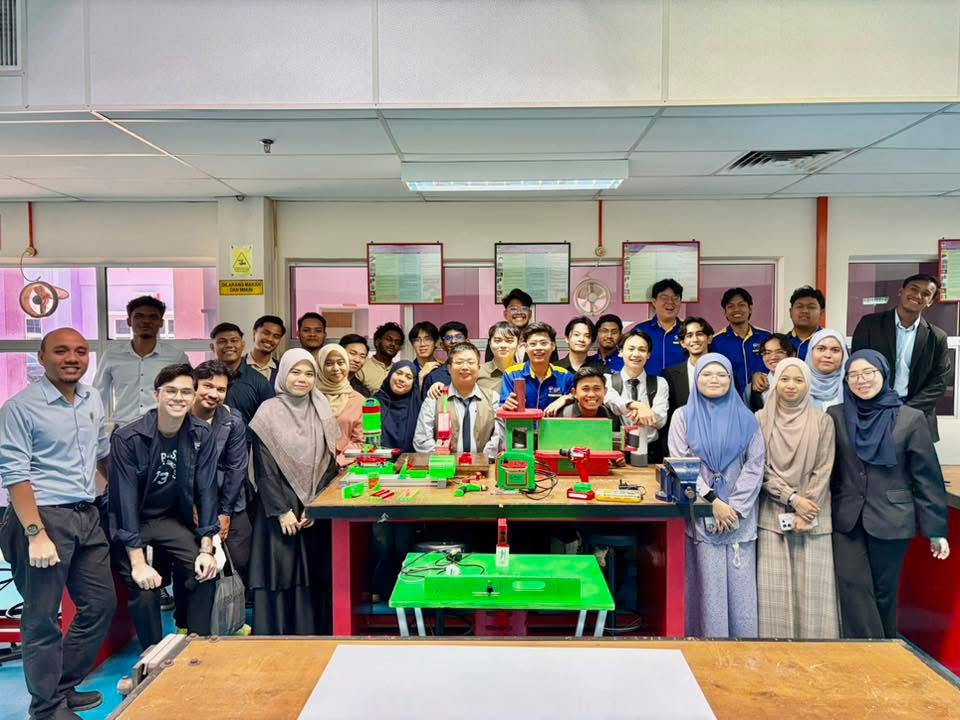
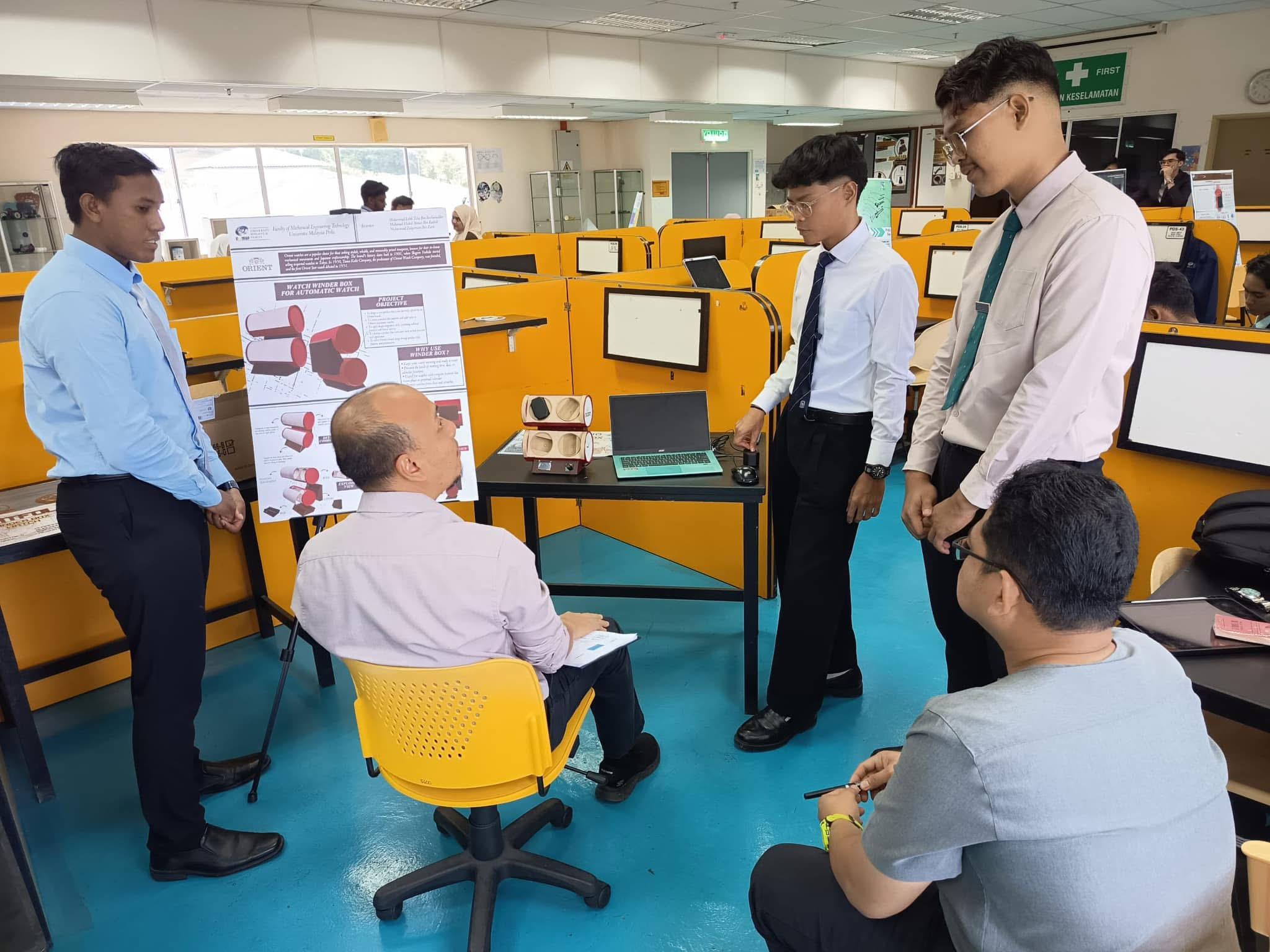
- Practical Mastery: Move beyond the traditional classroom with intensive, hands-on studio and lab sessions in Rapid Prototyping, Computer-Aided Design and Manufacturing (CAD/CAM), and Reverse Engineering.
- Professional Recognition: Our curriculum is rigorously designed to meet the standards of the Engineering Technology Accreditation Council (ETAC), ensuring your degree carries weight and respect globally.
- Real-World Experience: Cap off your studies with an immersive Industrial Training placement, giving you a competitive edge and vital industry networking opportunities before you even graduate.
Tailor Your Expertise: Core Focus Areas
As you progress through the program, you will dive deep into specialized areas of product development, equipping you with the highly sought-after skills needed in today's competitive market:
1. Concept & Ergonomics Innovation
Master the art of designing for the human experience. This focus area is for those who want to ensure products are not only beautiful but also intuitive, safe, and comfortable to use.
Key Skills: User-Centered Design, Human Factors Engineering (Ergonomics), and Design Thinking Methodologies.
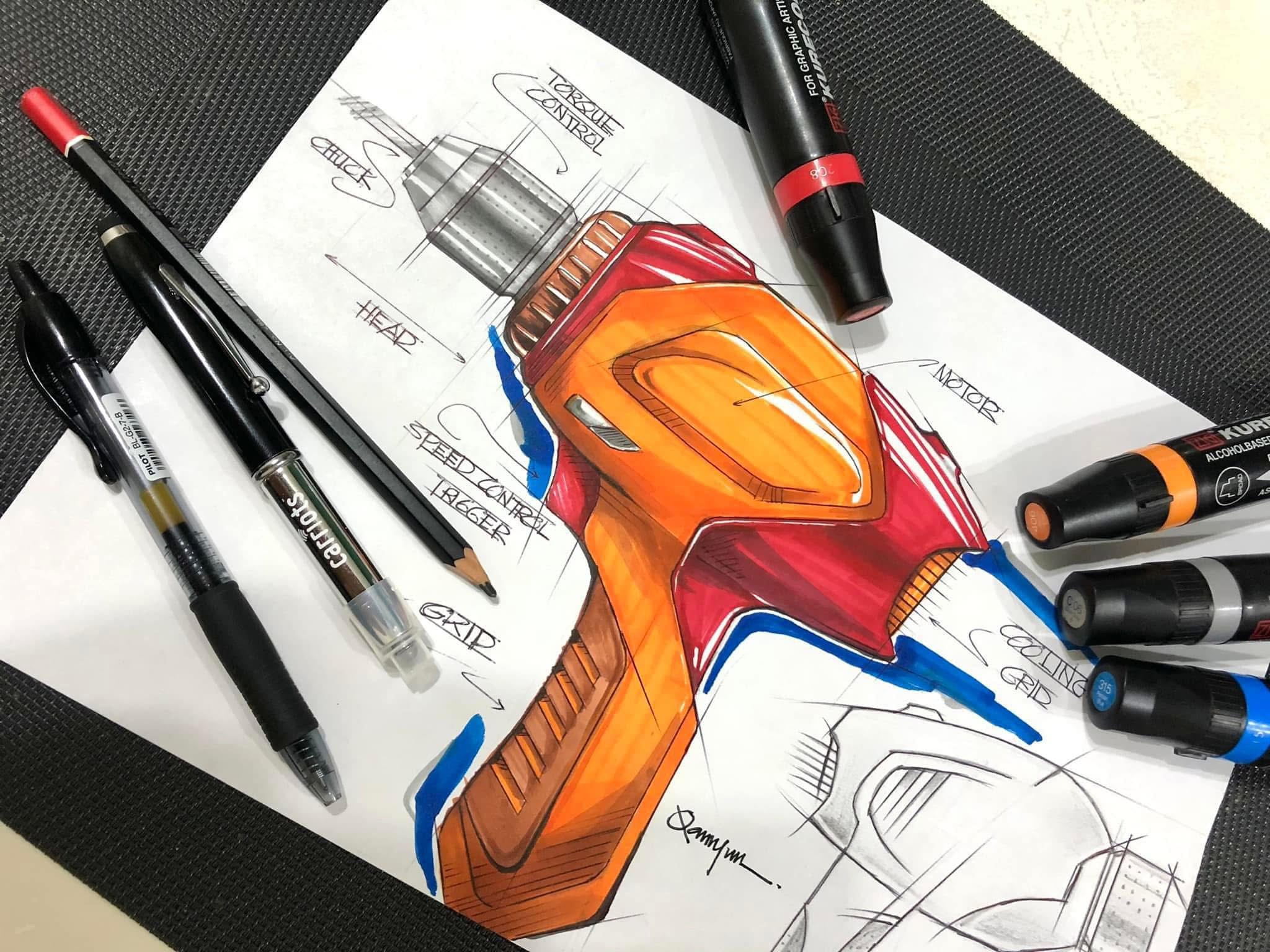
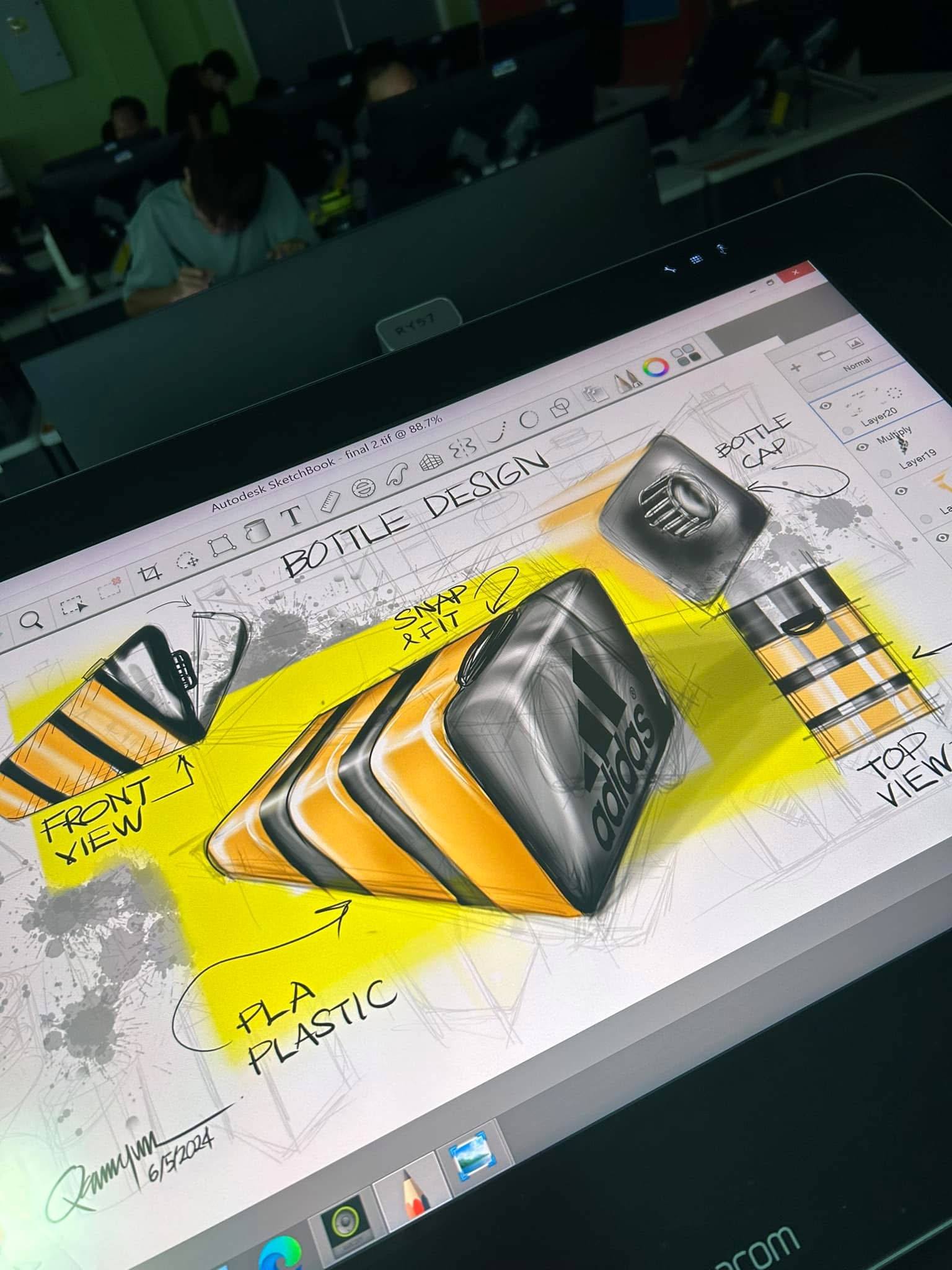
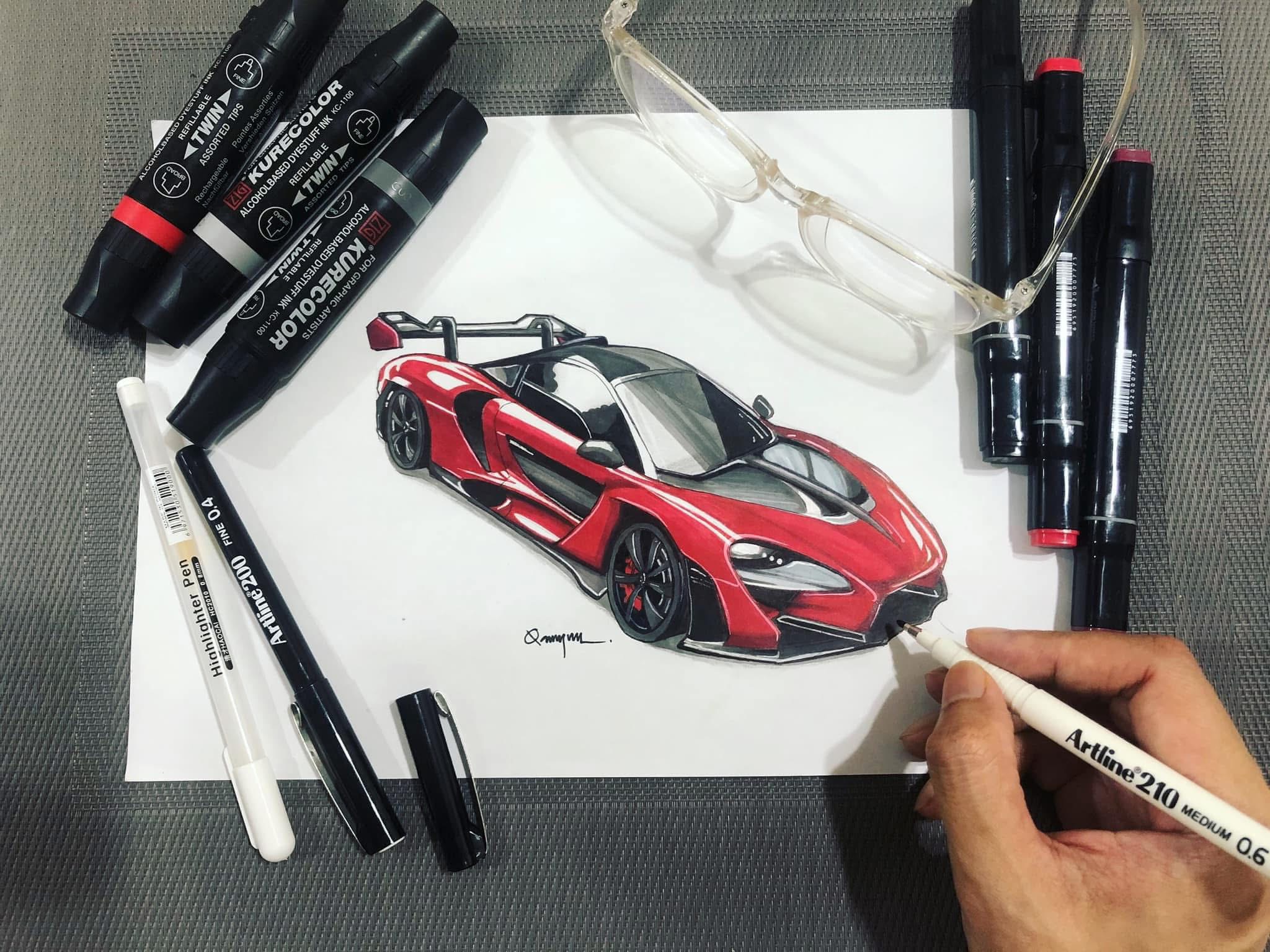
Aesthetic Focus: Learn professional techniques in Industrial Design aesthetics, conceptual sketching, and digital rendering to visualize your ideas flawlessly.
2. Advanced Prototyping & Manufacturing
Combine your creativity with hard-core engineering technology to turn digital concepts into physical realities. This focus is for makers who want to build, test, and refine the mechanics of the next big invention.
Key Skills: 3D Solid Modeling, Finite Element Analysis (FEA) for structural testing, and Material Selection.
Tech Mastery: Master the operation of advanced Additive Manufacturing (3D Printing) and CNC machining to produce high-fidelity functional prototypes.
Graduate with an Edge
We don’t just produce draftspersons; we produce visionary engineering technologists. You will graduate with the ability to:
Apply fundamental engineering mechanics and technology to solve complex design and manufacturing challenges.
Leverage the latest industry-standard digital tools for 3D CAD drafting, simulation, and comprehensive product design.
Demonstrate leadership, professional ethics, and a strong entrepreneurial mindset, empowering you to manage major development projects, lead design teams, or even launch your own product startup.
Career Path
Where Can Your Degree Take You?
Our program goes beyond the basics of mechanical engineering; it positions you at the dynamic intersection of engineering, aesthetics, and user experience. Whether your dream is to work in a high-tech rapid prototyping lab, an industrial design studio, or launching your own hardware startup, your journey from concept to reality starts here.
Core Career Roles
Graduates are equipped with a strong foundation in mechanical engineering technology, making them versatile assets across various industries.
Product Design Technologist: Apply robust mechanical engineering principles to research, design, and develop both consumer and industrial products from the ground up.
Manufacturing & Production Engineer: Oversee the critical transition from digital prototype to mass production, ensuring safety, quality, and manufacturing efficiency on the shop floor.
Quality Assurance (QA) Engineer: Implement rigorous testing, validation, and quality control methodologies to ensure new products meet strict industry and safety standards.
Research & Development (R&D) Executive: Drive innovation by researching new materials, mechanical movements, and market trends to solve complex everyday problems.
Specialization Paths
Depending on your interests and chosen elective tracks, you will be uniquely qualified for these high-demand, specialized roles:
Path A: Digital Design & Prototyping Specialist
Rapid Prototyping Engineer: Utilize Additive Manufacturing (3D Printing) and rapid fabrication tools to create, test, and iterate physical models quickly.
CAD/CAM Specialist: Bridge the gap between virtual design and physical manufacturing by using advanced 3D modeling software and computer-aided manufacturing tools.
Reverse Engineering Specialist: Use 3D scanning and advanced analytical tools to deconstruct, analyze, and improve upon existing products and mechanical parts.
Path B: Industrial & Ergonomic Design Specialist
Industrial Designer: Blend mechanical functionality with striking aesthetics to create visually appealing, highly marketable consumer goods.
Ergonomics & Human Factors Engineer: Focus on the human element of product design, ensuring products optimize user comfort, safety, and overall system performance.
Sustainable Packaging Engineer: Develop eco-friendly, structurally sound packaging solutions using advanced materials to protect products during transit and reduce environmental impact.
Subject
Discipline Core Courses
Semester 1
- MMK10203 Static and Dynamic
- MMK10403 Engineering Graphics
- MMK10502 Workshop Technology
- MMK11502 Manufacturing Technology
- MMK11603 Computer Aided Design
- MMK16103 Design Conceptualization
Semester 2
- MMK10103 Material Science
- MMK10303 Basic Electrical and Electronic
- MMK11203 Fluid Mechanics
- MMK17102 Design Visualization
- MMK1XX03 Computer Aided Surfacing
- MMK11302 Computer Programming
Semester 3
- MMK20203 Strength of Materials
- MMK21103 Computer Aided Engineering
- MMK20103 Thermodynamics
- MMK26203 Prototyping and Modelmaking
- MMK27303 Design Studio 1
Semester 4
- MMK21203 Heat Transfer
- MMK2XX03 Industrial Ergonomics
- MMK27203 Design Integration
- MMK26103 Reverse Engineering and Additive Manufacturing
Semester 5
- MMK36003 Computer Aided Engineering 2 (CAE 2)
- MMK36403 Design Studio 2
- MMK3XX03 Artificial Intelligence in Product Design
- MMK24103 Pneumatic and Hydraulic Systems
- MMK11103 Quality Control
- MMK3XX02 Safety and Health
Semester 6
- MMK31204 Final Year Project 1
- MMK38103 Process Control
- MMK30103 Engineering Technology Management
- Elective I
Semester 7
- MMK41206 Final Year Project 2
- MMK47703 Design for Manufacture and Assembly
- MMK3XX02 Engineering Technologist and The World
- Elective II
Semester 8
- MMK49912 Industrial Training
Elective Courses
- MMK37503 Production Management for Designers
- MMK37603 Product Study and Professional Practice
- MMK37703 Design Visualization 2
- MMK37803 Design for Medical Device
Common Core Courses
- IMQ11103 Mathematics for Engineering Technology 1
- IMQ11203 Mathematics for Engineering Technology 2
- IMQ21303 Mathematics for Engineering Technology 3
University Requirement Courses
- SMZXXX01 Co-curriculum I
- SMZXXX01 Co-Curriculum II
- SMB20102 English for General Communication
- SMU22402 Engineering Entrepreneurship
- SMU12102 Integrity and Anti-Corruption
- SMB41002 University Malay Language
- SMB31202 English for Technical Communication
- SMU13002 Philosophy and Current Issues
- SMU13102 Appreciation of Ethics and Civilizations
Audit Course
- SMB10102 Preparatory English
Gallery
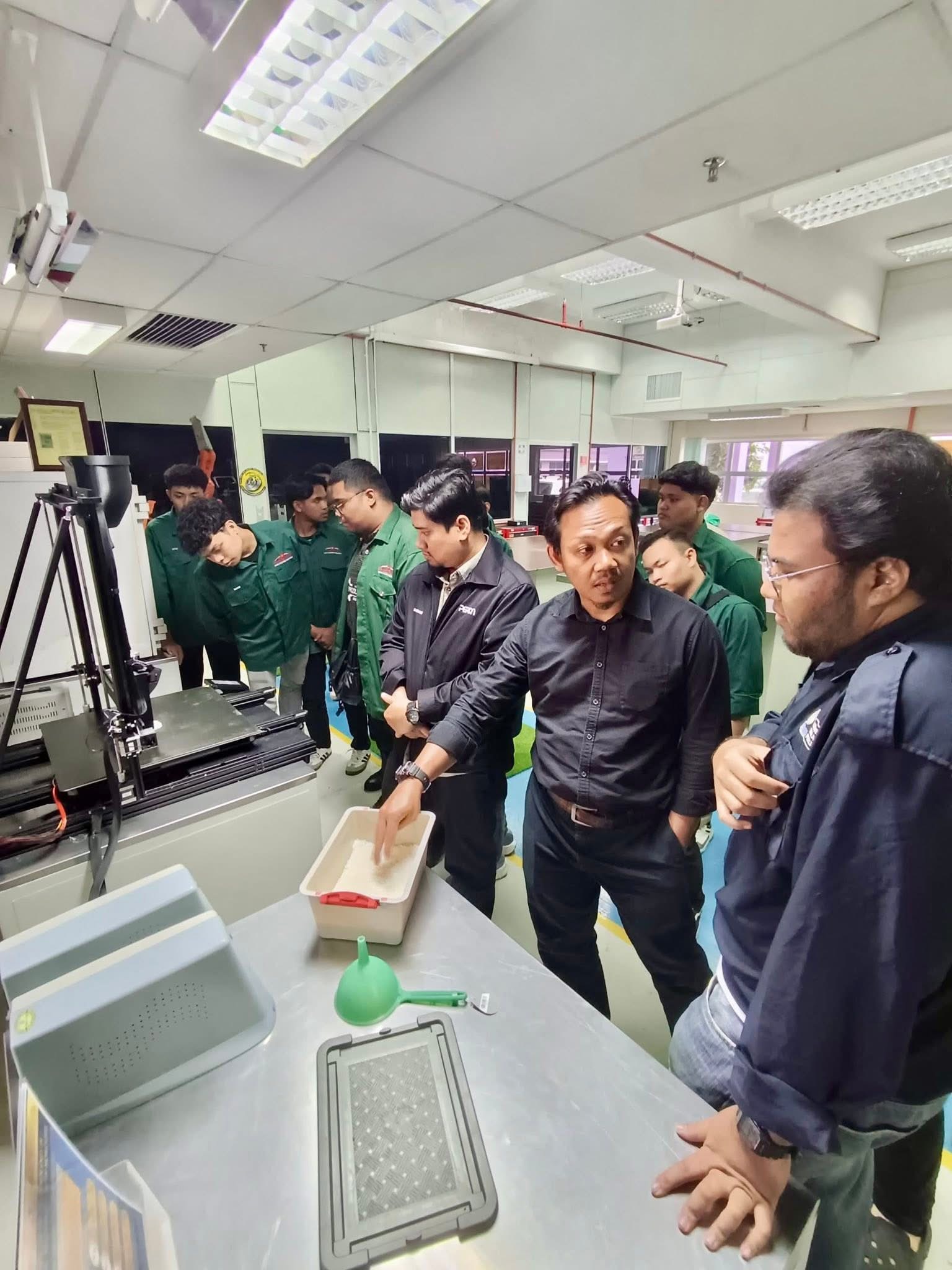
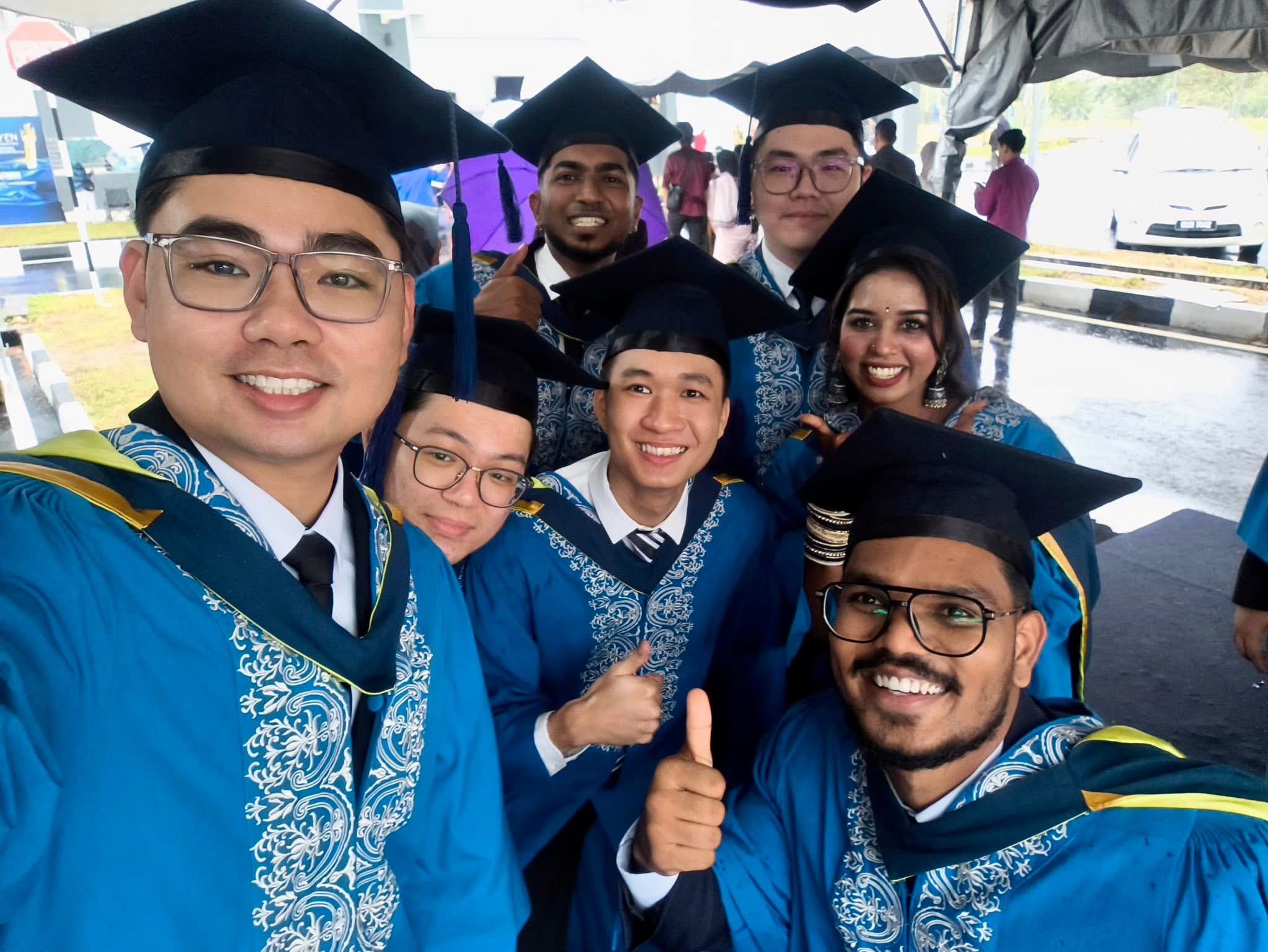
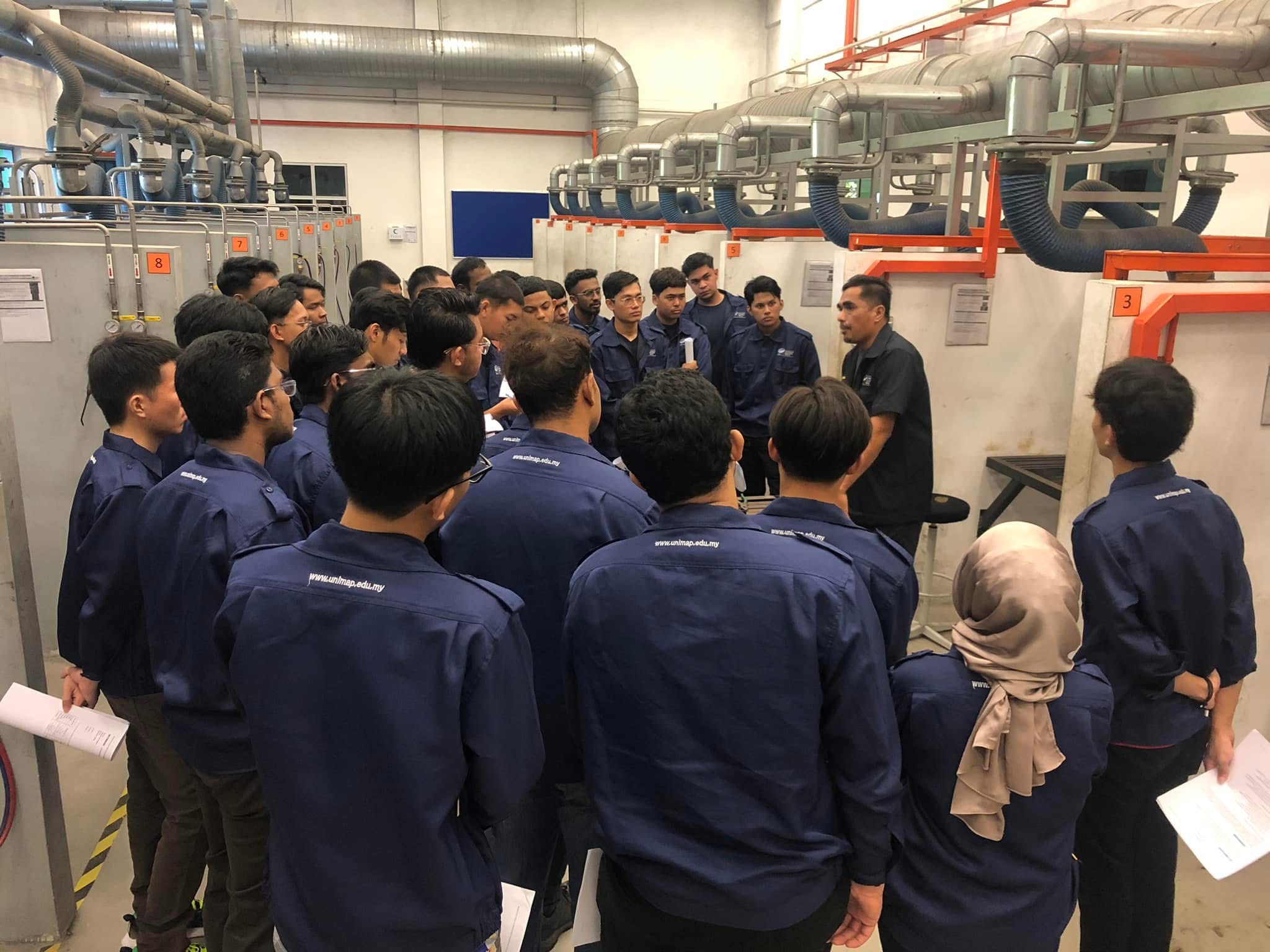
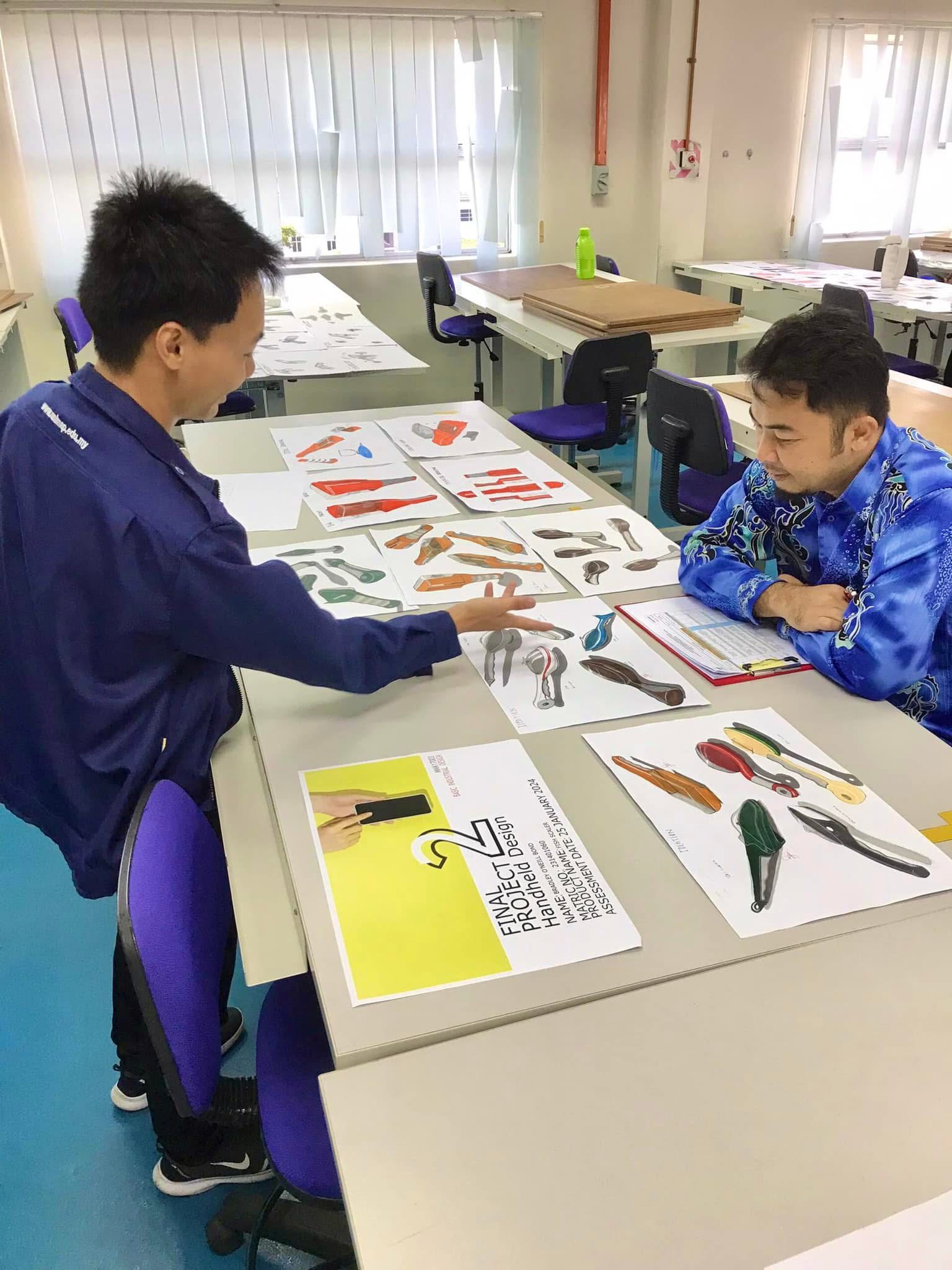

Dr. Muhammad Hasnulhadi bin Mohammad Jaafar
hasnulhadi@unimap.edu.my
Programme Educational Objective (PEO)
Our PEOs describe the career and professional accomplishments that the program is preparing graduates to achieve within a few years of graduation:
- PEO 1: Engineering technology graduates engaged in the field of mechanical engineering technology as demonstrated through career advancement.
- PEO 2: Engineering technology graduates who are members and contribute to professional society.
- PEO 3: Engineering technology graduates embracing in life-long learning or pursuing continuing education opportunities.
- PEO 4: Engineering technology graduates who are technopreneurs.
Programme Outcome (PO)
Upon completion of the program, students will have attained the 12 program outcomes, equipping them with the knowledge, technical skills, and professional competencies needed for successful careers in product design and related engineering fields.
- PO 1 (Knowledge): Apply knowledge of mathematics, natural science, computing and engineering fundamentals and an engineering specialization to defined and applied engineering procedures, processes, systems or methodologies.
- PO 2 (Problem Analysis): Identify, formulate, research literature and analyse broadly-defined engineering problems reaching substantiated conclusions using analytical tools appropriate to their discipline or area of specialization with considerations for sustainable development.
- PO 3 (Design/Development of Solutions): Design solutions for broadly-defined engineering technology problems and contribute to the design of systems, components or processes to meet identified needs with appropriate consideration for public health and safety, whole-life cost, net zero carbon as well as resource, cultural, societal, and environmental considerations as required.
- PO 4 (Investigation): Conduct investigations of broadly-defined engineering problems; locate, search and select relevant data from codes, data bases and literature, design and conduct experiments to provide valid conclusions.
- PO 5 (Tool Usage): Select and apply, and recognize limitations of appropriate techniques, resources, and modern engineering and IT tools, including prediction and modelling, to broadly-defined engineering problems.
- PO 6 (The Engineering Technologist and the World): Analyze and evaluate sustainable development impacts to: society, the economy, sustainability, health and safety, legal frameworks, and the environment, in solving broadly-defined engineering problems.
- PO 7 (Ethics): Understand and commit to professional ethics and norms of engineering technology practice and adhere to relevant national and international laws. Demonstrate an understanding of the need for diversity and inclusion.
- PO 8 (Individual and Collaborative Teamwork): Function effectively as an individual, and as a member or leader in diverse and inclusive teams and in multi-disciplinary, face-to-face, remote and distributed settings.
- PO 9 (Communications): Communicate effectively and inclusively on broadly-defined engineering activities with the engineering community and with society at large, by being able to comprehend and write effective reports and design documentation, make effective presentations, taking into account cultural, language, and learning differences.
- PO 10 (Project Management and Finance): Apply knowledge and understanding of engineering management principles and economic decision-making to one's own work, as a member and leader in a team and to manage projects in multidisciplinary environments.
- PO 11 (Lifelong Learning): Recognize the need for, and have the ability for i) independent and life-long learning and ii) critical thinking in the face of new specialist technologies.
- PO 12 (Personal and Entrepreneurial Skills): Demonstrate ability to engage effectively in self-improvement initiatives for career, professional or educational goals and engage in entrepreneurial activities.